
What Is Métis Dot Art? Meaning, Culture, Colour & Storytelling
Posted by Jason on May 24, 2026
What Is Métis Dot Art? A Beginner’s Guide to Meaning, Colour, and Storytelling
Métis Dot Art is more than a beautiful style of painting. It is a visual expression of culture, memory, identity, and storytelling. Built through thousands of carefully placed dots, this art form reflects the beauty of Métis beadwork while creating something contemporary, vibrant, and deeply meaningful.
At Turtle Island Market, Métis Dot Art is at the heart of what we do. Our artwork and clothing are created to honour Indigenous heritage, celebrate culture, and share meaningful designs that connect people to land, story, and community.
For anyone new to Métis Dot Art, this guide offers a beginner-friendly introduction to what it is, why it matters, and how it continues to evolve today.
What Is Métis Dot Art?
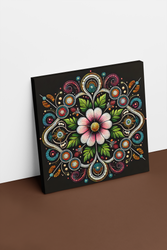
Métis Dot Art is a contemporary art form inspired by traditional Métis beadwork. Instead of using beads, artists use small dots of paint to create patterns, images, and designs that resemble the look and feeling of beadwork. Educational resources on Métis Dot Art describe it as a style where dots of paint are used to mimic traditional Métis beading styles.
The result is artwork that feels both traditional and modern. From a distance, the image may look smooth and complete. Up close, each dot becomes visible, showing the patience, care, and intention behind the piece.
That is part of what makes Métis Dot Art so powerful. Each dot contributes to the whole image, much like each story, ancestor, community, and teaching contributes to cultural identity.
The Connection Between Métis Dot Art and Beadwork
Métis people have long been known for beautiful, detailed beadwork, especially floral designs. Traditional Métis beadwork was often used to decorate clothing, bags, moccasins, and other items. Over time, this visual style became strongly associated with Métis culture and identity.
Métis Dot Art carries that inspiration forward. The dots reflect the appearance of beads, while paint allows artists to explore new forms, colours, subjects, and surfaces.
This connection to beadwork matters because it keeps a visual tradition alive in a new way. It does not replace beadwork. Instead, it honours the influence of beadwork while allowing artists to tell stories through a contemporary medium.
Why Are Dots Used in Métis Art?
The dots in Métis Dot Art are not random. They create movement, depth, shape, and texture. Each dot is placed with intention, gradually building the full image.
Dots can represent many things, depending on the artist and the artwork. They may suggest:
- Beads and beadwork traditions
- Connection between generations
- The relationship between small details and larger stories
- Patience, care, and handmade creation
- The idea that every piece of a story matters
In Métis Dot Art, the smallest details are essential. A single dot may seem simple on its own, but together, the dots create something powerful.
Common Themes in Métis Dot Art
Métis Dot Art often reflects themes of land, culture, identity, plants, animals, and community. Many artists are inspired by the natural world, including flowers, wildlife, water, forests, and skies.
At Turtle Island Market, this connection to land and nature is especially important. Wildlife and landscapes are not just decorative subjects. They can carry meaning, memory, and a sense of place.
Common themes may include:
Nature and wildlife
Animals, plants, birds, water, and landscapes often appear in Indigenous artwork because they reflect our relationship with the land and the living world around us.
Culture and identity
Métis Dot Art can be a way of expressing pride, belonging, and cultural continuity.
Storytelling
Each artwork can carry a story, whether it is about a place, an animal, a teaching, or a personal connection.
Resilience
Métis art is also a reminder that culture continues. It adapts, grows, and remains alive through creativity.
The Role of Colour in Métis Dot Art
Colour plays an important role in Métis Dot Art. Bright, layered colours can bring movement and emotion into a piece. Some colours may be chosen for contrast and beauty, while others may hold personal, cultural, seasonal, or symbolic meaning.
For example, an artist might use blues and greens to reflect water, land, and growth. Warm colours like orange, red, and yellow might suggest sunlight, energy, warmth, or transformation. Dark backgrounds can make bright dots stand out, creating a striking beadwork-inspired effect.
The meaning of colour can change depending on the artwork and the artist. That is why it is important to look beyond the surface and ask: What story is this piece telling?
Métis Dot Art as Storytelling
One of the most meaningful parts of Métis Dot Art is its ability to tell stories visually. A piece of art can communicate feeling, place, history, and identity without using words.
A painting of an animal may represent more than the animal itself. It may speak to the land it lives on, the teachings connected to it, or the artist’s own relationship with that place or being. A landscape may reflect memory, movement, belonging, or the importance of protecting the natural world.
This is why Métis Dot Art is not just something to look at. It is something to spend time with.
Why Métis Dot Art Matters Today
Métis Dot Art matters because it is part of a living, evolving cultural expression. It connects past and present. It honours the influence of traditional beadwork while giving artists space to create new work in their own voices.
In a world where so much is mass-produced, Métis Dot Art reminds us of the value of intention. Each dot is placed by hand. Each design carries thought. Each piece reflects the artist’s connection to culture, creativity, and story.
Supporting Métis artists also helps create space for Indigenous-owned businesses, cultural representation, and meaningful art that is created by the people whose stories and identities are connected to the work.
How Turtle Island Market Shares Métis Dot Art
Turtle Island Market was created to share Indigenous-designed clothing, artwork, and products with purpose. Our work is rooted in culture, sustainability, and storytelling.
Through Métis Dot Art, we create designs that can be worn, displayed, gifted, and shared. Whether it appears on clothing, accessories, or artwork, each design is meant to carry meaning beyond the product itself.
When you purchase from Turtle Island Market, you are not just buying a shirt, hoodie, print, or gift. You are supporting an Indigenous-owned business, Métis art, and a brand committed to sharing culture in a meaningful and respectful way.
How to Appreciate Métis Dot Art Respectfully
If you are new to Métis Dot Art, the best place to start is with curiosity and respect.
Take time to learn about the artist. Read the story behind the piece. Look closely at the details. Notice the colours, patterns, movement, and subject matter. Think about how the artwork makes you feel and what it may be communicating.
Most importantly, support Indigenous and Métis artists directly whenever possible. Buying from Indigenous-owned businesses helps ensure that artists and communities benefit from their own cultural work.
Final Thoughts
Métis Dot Art is beautiful, but it is also meaningful. It carries culture, story, identity, patience, and pride. Through carefully placed dots, artists create work that connects the past with the present and invites people to see Indigenous art in a deeper way.
At Turtle Island Market, we are proud to share Métis Dot Art through clothing and artwork that celebrates culture, land, and storytelling. Each piece is created with purpose, and each design is part of a larger story.
Explore our latest Métis Dot Art designs and discover clothing and artwork that carries meaning, beauty, and connection.